Keep Litter Out of Our Water!
When it rains, it doesn't just water the plants—it creates a highway for anything left on our streets. In Maine, our storm drains are direct pipelines to the places we love to fish, swim, and boat. Being a Stormwater Hero means making sure the only rain goes down the drain.
How Litter Becomes a Pollutant
Many people think storm drains lead to a treatment plant, but they actually flow untreated directly into our local lakes, streams, and the ocean.
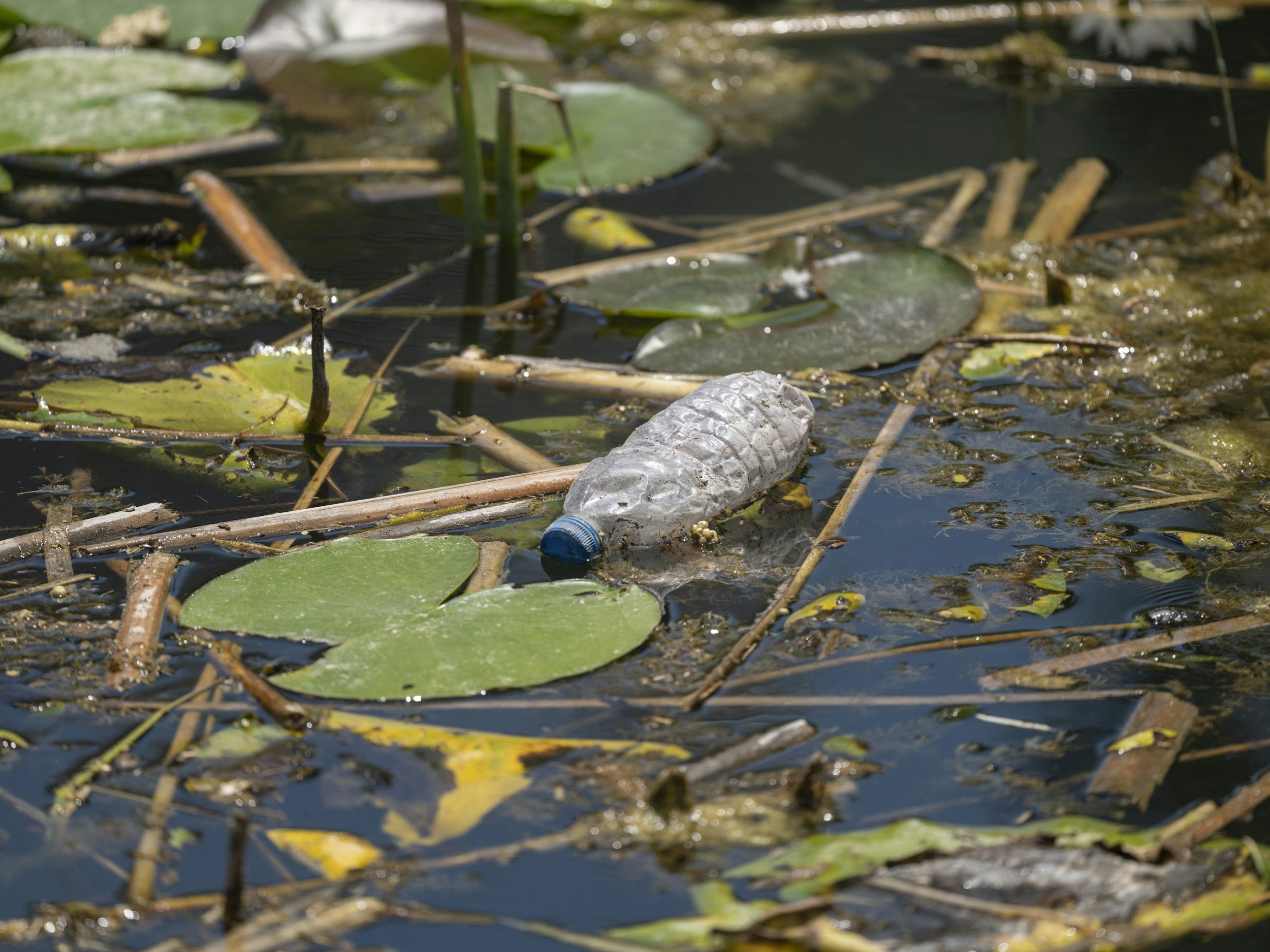
When litter—like snack wrappers, plastic bottles, or takeout containers—is dropped on the ground, rain washes it into the stormwater system. Once it reaches local waterbodies, it doesn't just look ugly; it breaks down into harmful microplastics, leaches chemicals, and can be mistaken for food by fish and birds.
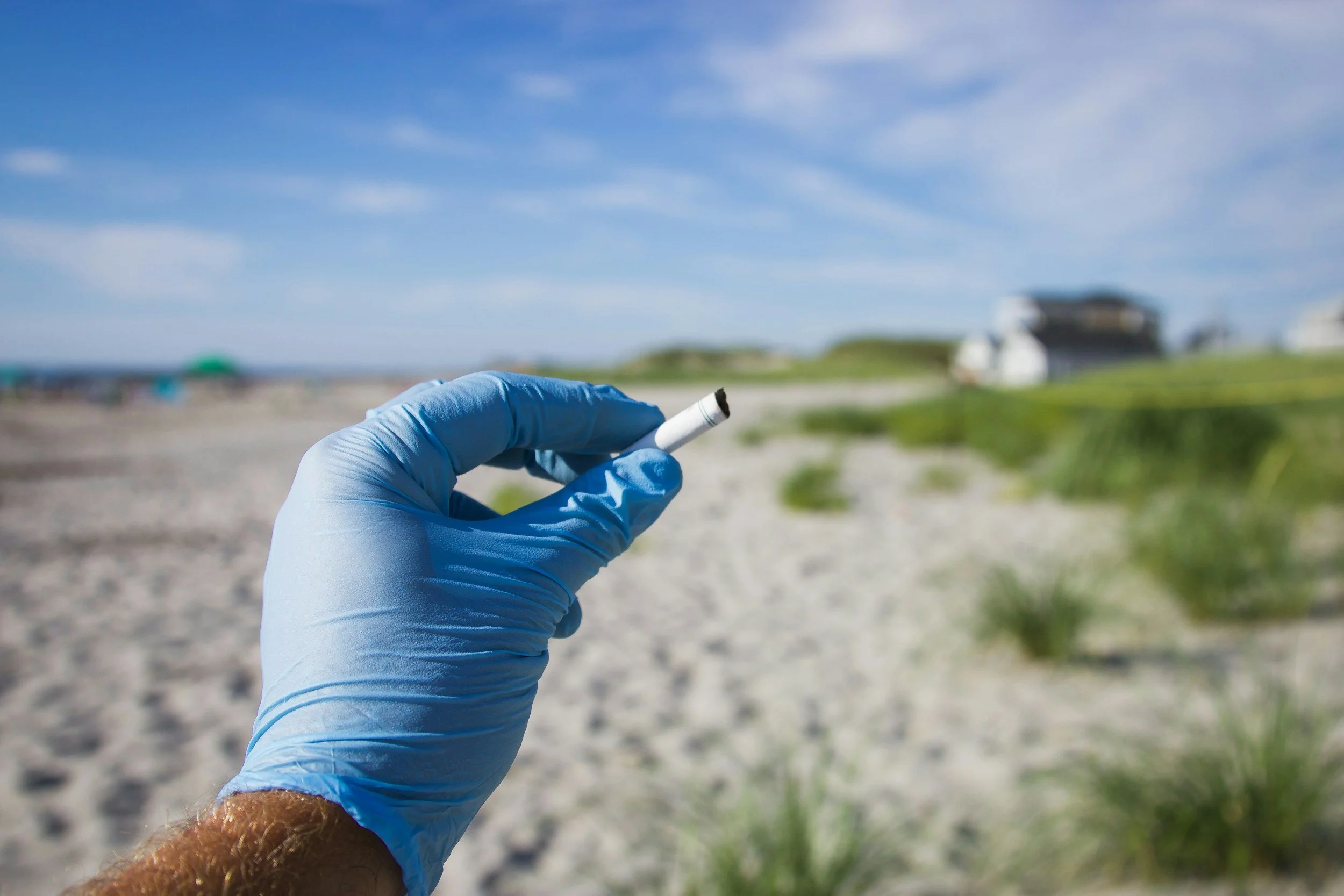
The #1 Offender: Cigarette Butts
Believe it or not, cigarette butts are the most common type of litter found in stormwater. They might be small, but they pack a punch:
They aren't just paper: Filters are made of cellulose acetate, a type of plastic that can take years to break down.
Toxic hitchhikers: They trap nicotine, arsenic, and heavy metals that poison the water as they soak.
How You Can Help
Small changes make a big difference for our watersheds:
Stow it, don't throw it: Keep a small trash bag in your car to collect litter until you find a trash can.
Secure your loads: If you’re hauling trash or gear in a truck bed, make sure it’s covered so nothing flies out on the highway.
Adopt a Drain: Keep the storm drain near your home clear of debris and trash.
Spread the word: Remind friends and family of the golden stormwater rule: "only rain down the drain."
Think Blue Fact: Even if you live miles away from the coast, the litter on your street can end up in the ocean via the interconnected network of streams and rivers in your watershed.